Skip links

Services

We provide digital experience services to startups and small businesses.

Our Services

Services

Four ways to go solar

Every property is different — grid access, budget, and backup needs all shape which setup makes sense. Here's how each system works.

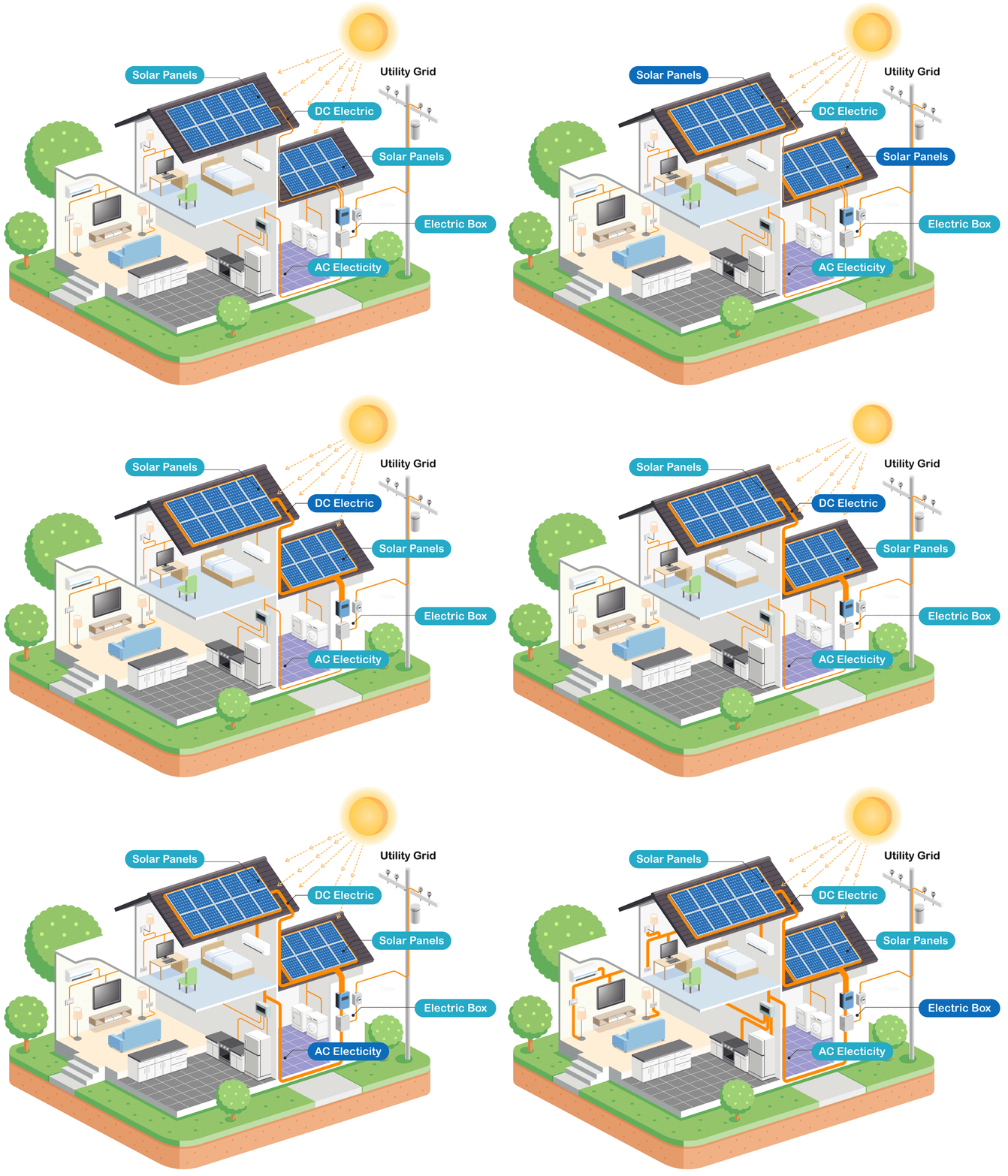
On-grid solar system diagram

On – Grid System

Connects your solar panels directly to the utility grid — no batteries required. Solar power runs your home first; any surplus is exported to the grid through net metering, credited back on your bill. When production dips at night or on cloudy days, the grid fills the gap automatically.

Best for — homes and businesses with stable grid power that want the lowest-cost way to cut electricity bills.
Off-grid solar system diagram

Off – Grid System

Generates and stores its own power, fully independent of the utility grid. Solar panels charge a battery bank through a charge controller, and an inverter converts that stored energy to AC for everyday use.

Best for — remote properties or locations where grid access is unreliable, costly, or unavailable.

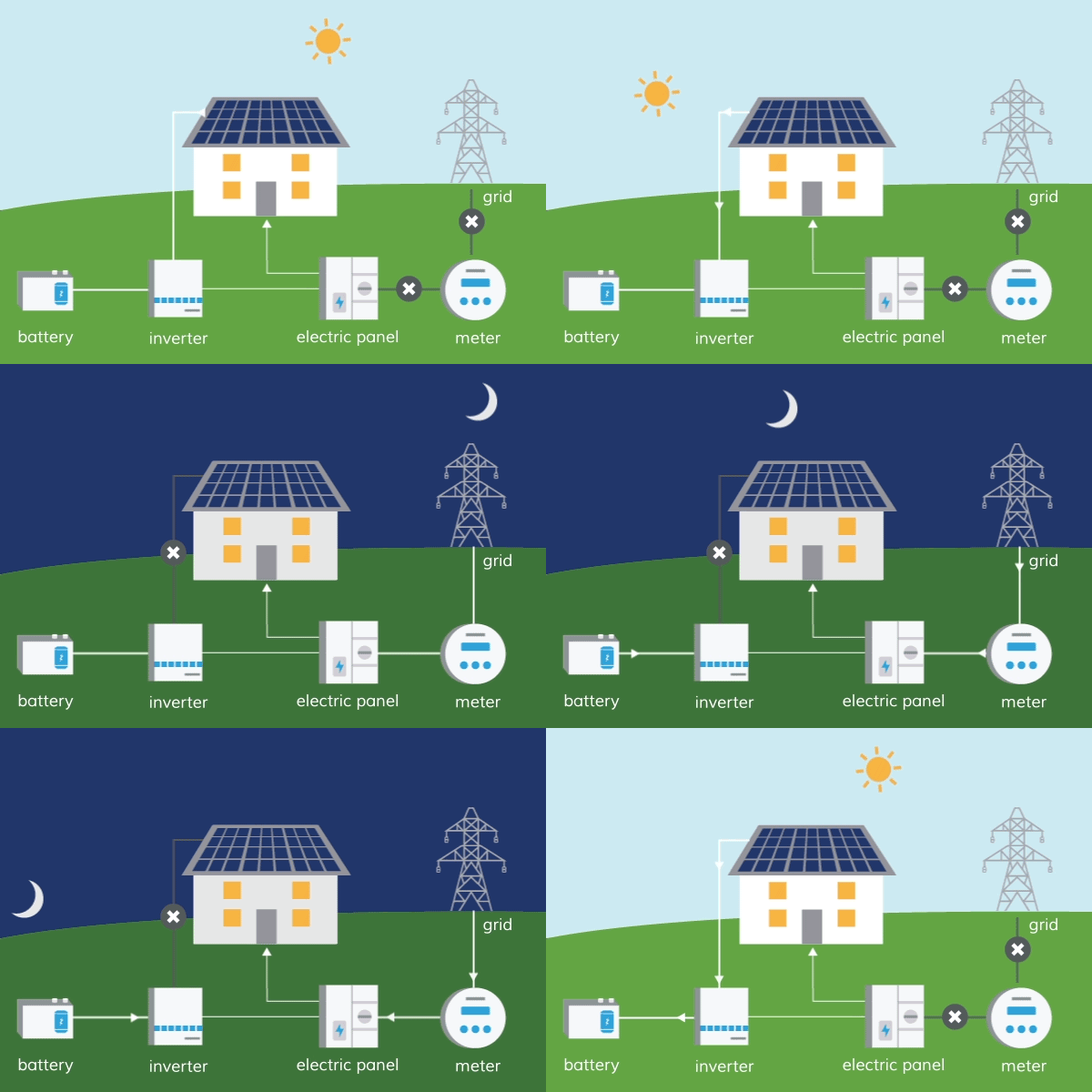
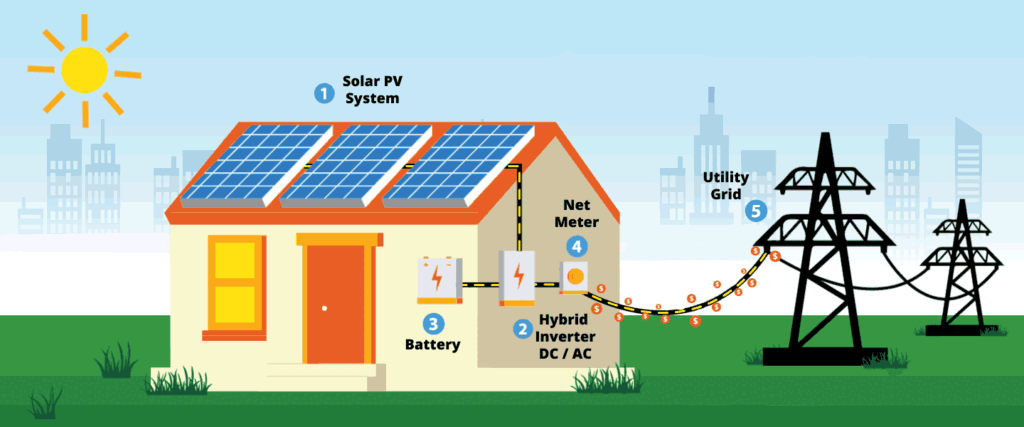
Hybrid solar system diagram

Hybrid System

Combines both worlds: solar panels charge a battery bank for backup power, while the system stays connected to the grid to draw from or export to as needed. You get uninterrupted power during outages plus the savings of net metering.

Best for — properties that want backup security alongside ongoing bill savings.

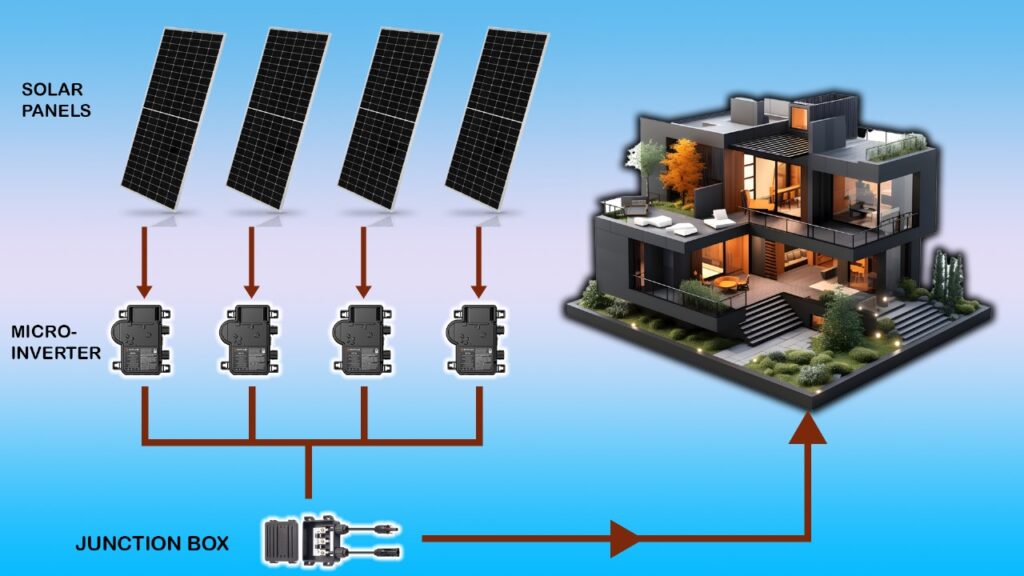
Micro-inverter solar panel installation

Micro-Inverter System

Fits a small inverter to every individual panel instead of one central unit for the whole array. Each panel converts and optimizes its own output, so shading or a fault on one panel doesn't drag down the rest of the system — and you get panel-by-panel performance monitoring.

Best for — roofs with partial shading, multiple orientations, or complex layouts.

Not sure which system fits your property?

Get in touch